Hoe Street rubbish removal guide for E17 flats
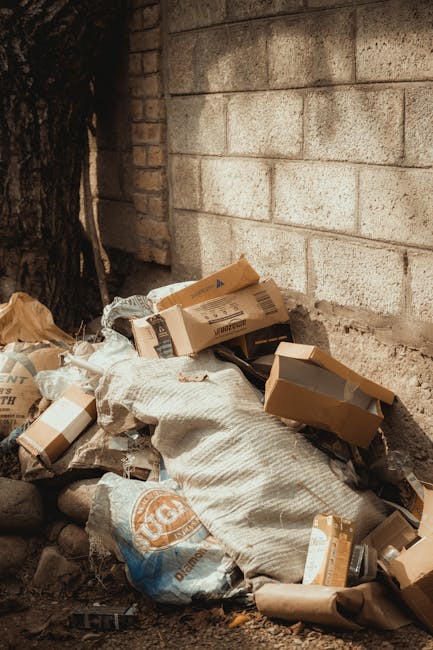
If you live in a flat on Hoe Street, you already know rubbish removal can feel oddly complicated for something that should be simple. Narrow stairwells, shared hallways, awkward parking, lift restrictions, and building rules can turn a quick clear-out into a small production. This Hoe Street rubbish removal guide for E17 flats walks you through the practical side of it all: what works, what to avoid, and how to choose the most sensible disposal method for your home.
Whether you are clearing a one-bed after a move, getting rid of an old sofa, or dealing with renovation waste from a rented flat, the goal is the same: remove it cleanly, safely, and without annoying your neighbours. Let's face it, nobody wants a pile of broken furniture sitting outside on a Friday evening, waiting for someone else to complain. This guide breaks down the options in plain English so you can make a good decision fast.
- Why this matters in E17 flats
- How flat rubbish removal usually works
- Benefits of using the right method
- Who this guide is for
- Step-by-step removal process
- Expert tips for smoother collections
- Mistakes to avoid
- Tools, resources and recommendations
- Compliance and best practice
- Method comparison
- Real-world example
- Practical checklist
- Conclusion
- Frequently asked questions
Why Hoe Street rubbish removal guide for E17 flats Matters
Flat living changes the whole rubbish-removal equation. In a house, you can often just wheel things out and book a collection. In a flat, there are stairs, corridors, neighbours, and often very little space to stage waste. On Hoe Street, that can matter even more because the street sees a constant mix of residential traffic, deliveries, and parked vehicles. Timing matters. Access matters. Noise matters too, especially if you are shifting items early in the morning or late in the evening.
It also matters because the wrong disposal choice can create avoidable hassle. For example, a large skip may be impractical if there is limited outside space, while a "dump it later" approach can lead to clutter building up inside the flat. And rubbish left in communal areas can quickly become a safety issue. We have all seen it: a mattress leaning in a hallway "just for a minute" that somehow stays there for two days. Not ideal.
For E17 residents, the smartest approach is usually the one that matches the building, not just the waste. That is the main point of this guide. Not every flat needs the same solution, and not every service is suitable for every property. If you get the method right first time, everything becomes easier.
How Hoe Street rubbish removal guide for E17 flats Works
Rubbish removal for flats usually follows a simple pattern: identify the waste, check access, choose the best removal method, and book a collection. The details, though, are where people save time and money. A small flat clear-out may only need a man-and-van style collection, while a larger refurbishment might suit a more structured service such as rubbish removal, man and van, or even wait and load skip hire.
In practical terms, the process is usually this:
- You list what needs to go, including bulky items, bagged waste, and anything special like appliances.
- You check whether the items can leave through the building without damage or disruption.
- You decide whether you need a one-off collection, a loaded-on-site solution, or a skip-based approach.
- You confirm any building rules, parking limits, or permit concerns.
- You book the service and keep the route clear for the collection team.
That sounds straightforward, but the building details can be the tricky bit. A top-floor flat with no lift and a tight stairwell is not the same as a ground-floor apartment with direct street access. If access is awkward, services like grab lorry hire or same day skip hire may be more practical than you first think. Truth be told, the right answer is often the one that causes the least disturbance.
If you are unsure what can legally and safely go with the load, it is worth checking what can go in a skip before you book anything. It saves a lot of back-and-forth later.
Key Benefits and Practical Advantages
Good rubbish removal is not just about making a mess disappear. Done properly, it can save time, reduce stress, and keep a flat looking respectable during a move or refurbishment. That matters when you live in close quarters with other people. Nobody wants the smell of old carpet or wet cardboard drifting down a shared landing for two days.
Here are the real-world advantages:
- Less disruption: the right service reduces trips up and down stairs and avoids clutter in shared spaces.
- Better safety: fewer loose items around the flat means fewer trip hazards and less lifting strain.
- Cleaner timing: collections can be planned around work, school runs, or building access windows.
- More suitable for flats: some removal methods fit tight access far better than a standard skip.
- Waste handled properly: recyclable materials, appliances, and mixed rubbish can be separated more sensibly.
If you are dealing with bigger household items, you may also want dedicated help such as mattress and sofa disposal or fridge and appliance removal. Those items are awkward, heavy, and not something you want dragging through a communal staircase unless there is no other choice.
Another practical benefit is flexibility. For example, if you only have one free hour while your leaseholder is away or your landlord has approved access for a short window, a quick-load option can be far better than waiting for a large container. Small problem, smarter fix.
Who This Is For and When It Makes Sense
This guide is for anyone living in or managing a flat on Hoe Street, especially in E17, where mixed-use buildings, conversions, and compact apartment layouts are common. It is useful if you are:
- moving out and need a final clear-up
- furnishing a new flat and removing old furniture
- doing light renovation or decorating waste removal
- clearing a rental property between tenancies
- emptying a loft, storage cupboard, or garage overflow
- getting rid of bulky household rubbish after a life event or downsizing
It also makes sense when you have more waste than a council-style bin run can handle but not enough to justify a huge, complicated setup. A lot of flat residents fall into this middle ground. Not tiny. Not massive. Just awkward enough to need a proper plan.
Sometimes the answer is not a skip at all. If you live in a high-rise or a building with no easy roadside access, man and van or wait and load skip hire can be far more efficient. If you are clearing something more commercial, such as a studio, office, or rental workspace, you may want to look at office clearance or commercial skip hire instead.
Step-by-Step Guidance
Here is the simplest way to handle rubbish removal from an E17 flat without making the job harder than it needs to be.
- Sort the waste first. Separate general rubbish, furniture, metals, electrical items, and anything that may need special handling.
- Measure the bulky items. A sofa looks manageable until you reach the stairwell. Then suddenly it is not.
- Check access and parking. Note whether the collection vehicle can stop nearby, whether there is a loading bay, and whether a lift is available.
- Choose the removal method. For small or awkward loads, a labour-led collection may work best. For larger renovation waste, a skip-based option may suit better.
- Check for restricted items. Hazardous or specialist items should never be bundled in with general waste. If in doubt, use hazardous waste disposal.
- Book the service and confirm the details. Make sure the provider understands the building access, floor level, and waste type.
- Prepare the route. Keep hallways clear, protect walls if necessary, and make sure keys, buzzers, or concierge details are sorted.
- Do a final sweep. Small items always hide under radiators, behind radiators, or under a bed. They do. Honestly.
If a skip is your preferred route, it is worth considering whether the space outside the flat can support it. For many E17 properties, a standard roadside skip is not ideal. In those cases, enclosed and lockable skip hire may be helpful for security, while skip hire gives you a broader overview of the typical options.
Expert Tips for Better Results
A few small choices make a surprisingly big difference. In our experience, the jobs that go smoothly almost always have one thing in common: someone planned the awkward parts before the van arrived.
- Book around access windows. If your building has lift restrictions or quiet hours, work around them instead of trying to force the issue.
- Keep bags manageable. Overfilled sacks are harder to lift and more likely to split on stairs.
- Use the right service for the waste type. A single bulky appliance is different from mixed building rubble.
- Think about neighbours. A quick heads-up can prevent avoidable friction in shared hallways.
- Photograph items before collection. Useful if you are managing a tenancy, inventory, or shared ownership flat.
- Ask about recycling first. If you care about lower waste impact, check the provider's recycling and sustainability approach.
One little tip that sounds obvious but gets missed all the time: group items by room before collection day. It reduces confusion, and it helps the team work faster. Faster usually means cleaner and less stressful.
If your load is mixed and you are not sure whether a full skip is needed, ask about skip sizes and prices alongside labour-led options. Sometimes the cheapest solution is not the one with the lowest headline number, but the one that avoids extra handling or a second trip.
Common Mistakes to Avoid
Flat rubbish removal goes wrong in predictable ways. None of them are dramatic, but they can waste a day or two and turn a straightforward task into a headache.
- Leaving booking too late. If you need a move-out clean-up, availability can be tighter than expected.
- Assuming access is easy. A van may not be able to park as close as you hope.
- Mixing restricted items with general rubbish. That can create safety issues and sometimes service refusal.
- Underestimating volume. Bags, boxes, and broken furniture add up quickly.
- Not checking building rules. Some flats have strict policies on noise, waste staging, and shared areas.
- Forgetting bulky item logistics. A wardrobe that seems manageable in the lounge can be a nightmare on a landing.
Another common one: people book the wrong method for their building. A skip sounds simple until you realise there is nowhere sensible to place it, or the permit and access situation becomes messy. In those cases, services like grab lorry hire or rubbish removal can be more realistic.
Tools, Resources and Recommendations
You do not need fancy equipment to organise a flat clear-out, but a few simple tools help a lot. A tape measure, sturdy bags, gloves, labels, and a basic floor plan of your flat can all save time. If you are planning a bigger sort-out, a rolling checklist on your phone works well too.
Useful things to have ready:
- heavy-duty rubble sacks or strong refuse bags
- masking tape and marker pens for labelling
- gloves and closed shoes
- a tape measure for door frames and stair widths
- photos of awkward items for quoting
- building access notes, such as codes or concierge instructions
If your clear-out includes confidential paperwork, do not just mix it into household waste. Use confidential shredding so documents are handled properly. For loft or storage overflow, garage and loft clearance can also be a sensible companion service when the flat has accumulated far more than it should have. It happens. Life piles up quietly.
For pricing, a useful place to start is pricing and quotes. If you are comparing options, keep the discussion focused on access, waste type, and labour needed rather than just size alone. That tends to produce a more realistic quote.
Law, Compliance, Standards, or Best Practice
For any rubbish removal job, especially in a shared residential building, the practical rule is simple: waste should be handled responsibly, safely, and by a proper service. UK waste duties can be technical, but the everyday version is easier to remember. Do not dump waste in communal areas, do not mix hazardous items with general rubbish, and make sure the provider is appropriate for the material being collected.
In flats, best practice usually includes:
- keeping communal hallways clear
- protecting shared walls and floors when moving bulky items
- checking building rules before collection day
- separating specialist waste from general rubbish
- avoiding unsafe lifting or carrying methods
If a skip is being considered, bear in mind that permits may be needed in some road locations and arrangements can depend on where the container sits. The safest approach is to check the practical requirements before booking rather than after. A related option is skip permits, while skip hire permits can help you understand the wider planning side.
For household and mixed waste, also make sure you understand what is excluded. Not everything can be thrown in together, and that is where problems usually start. If you are dealing with refurbishment waste, builders waste removal and construction waste clearance may be more relevant than general household clearance.
Options, Methods, or Comparison Table
There is no one-size-fits-all answer for flat rubbish removal. The best method depends on how much waste you have, how easy it is to access, and whether the items are bulky or mixed. Here is a practical comparison.
| Method | Best for | Strengths | Watch-outs |
|---|---|---|---|
| Rubbish removal | General flat clear-outs, mixed household waste | Simple, quick, flexible | May be less suitable for very large renovation loads |
| Man and van | Bulky items, smaller clearances, awkward access | Good for stairs and short-notice jobs | Can be less efficient for larger volumes |
| Wait and load | Roadside loading where space is tight | No need to leave a skip outside | Needs good timing and organised waste |
| Skip hire | Renovation waste, larger loads, ongoing projects | Convenient for bigger jobs | Access, permits, and placement need checking |
| Grab lorry hire | Heavy mixed waste, bulky loads, limited manual handling | Fast collection and less lifting | Needs vehicle access and loading space |
If you want a more secure container for mixed loads, you may also want to look at enclosed and lockable skip hire. And if your job is more of a full property clear-out than a simple waste pickup, house clearance can be the more relevant route.
Case Study or Real-World Example
Picture a two-bedroom flat on Hoe Street after a tenancy change. There is an old sofa, a bed base, three bags of mixed household waste, a broken coffee table, and a fridge that needs removing. The residents have one afternoon before the inventory check. The lift is small, the stairwell is narrow, and parking outside is tight. Classic E17, really.
In a case like that, a full skip might not be the first choice. A more practical plan would be:
- book fridge and appliance removal for the fridge
- use mattress and sofa disposal for the bulky furniture
- collect the mixed bags through man and van or rubbish removal
The result is less stress, less lifting, and far less chance of damaging the walls on the way out. That is the sort of practical decision that sounds small but makes the whole day easier. And yes, it usually saves arguments about who is carrying what down the stairs.
For a bigger post-refurbishment example, imagine a flat being upgraded with new flooring and a kitchen refresh. Then the waste mix changes: old units, offcuts, packaging, and heavier construction debris. At that point, builders skip hire or construction waste disposal may be a better fit than domestic collection.
Practical Checklist
Use this before booking anything. It keeps the process tidy and reduces those annoying last-minute surprises.
- List every item that needs removing
- Measure large furniture and appliances
- Check whether the lift can take bulky loads
- Confirm parking or loading access
- Ask your building manager about any rules
- Separate recyclable, bulky, and specialist waste
- Keep hazardous items out of general rubbish
- Decide whether a van collection or skip-based method is better
- Protect communal areas if items must be carried through them
- Have keys, buzzers, and access codes ready
- Book early if you are on a move-out deadline
- Double-check the final route from flat to vehicle
If you are still comparing options after that, the cleanest next step is usually to review book online or speak with the team through contact us. A quick conversation can often rule out the wrong option before it becomes a problem.
Get a free quote today and see how much you can save.
Conclusion
The best Hoe Street rubbish removal guide for E17 flats is not the fanciest one; it is the one that respects real-life access, building rules, and the way flats actually work. If you plan around stairs, lifts, parking, and the type of waste you have, the whole job becomes much smoother. That is true whether you need one bulky item removed or a full clear-out before moving day.
For many residents, the winning formula is simple: sort the waste, choose the right collection method, and avoid forcing a skip-based solution into a building that suits van-led removal better. Keep it practical. Keep it safe. And keep it moving.
And if the job feels bigger than you expected, that is completely normal. Flats create awkward little logistics puzzles all the time. Solve the puzzle, and the rest is easy enough.
Frequently Asked Questions
What is the best rubbish removal option for an E17 flat?
It depends on access and waste volume. For small to medium clear-outs, rubbish removal or man and van is often easiest. For larger loads, skip-based or grab-lorry options may work better.
Can I use a skip outside a flat on Hoe Street?
Sometimes, yes, but only if there is suitable space and the placement works for the street layout and access. In some cases, permits or alternative methods are needed, so it is worth checking the practical details first.
Is wait and load better than skip hire for flats?
Often it is. Wait and load can be very useful when there is no safe place to leave a skip outside and you want the waste collected quickly with less disruption.
What should I do with a sofa or mattress from my flat?
Use a dedicated bulky-item service where possible. Sofa and mattress removal is awkward in stairwells, and a specialist collection can save time and reduce damage risks.
How do I remove a fridge from a flat safely?
Plan the route first, measure doorways, and avoid lifting it alone. Fridges are heavy, awkward, and best handled through a dedicated appliance removal service.
Do I need permission from my landlord or building manager?
For many flats, yes, or at least some form of notice helps. Shared buildings may have rules about collections, noise, hallway use, and waste staging.
What rubbish is not suitable for general collection?
Hazardous materials, certain chemicals, and some specialist items need separate handling. If in doubt, check before booking rather than guessing on the day.
How much notice should I give for a rubbish removal booking?
As much as you reasonably can, especially if you have a move-out deadline or limited access window. Short-notice bookings are possible in some cases, but planning ahead makes life easier.
Can rubbish removal help with a flat renovation?
Yes. It can be a very practical option for packaging, old fixtures, offcuts, and mixed refurbishment waste, especially when the job is too small for a big construction setup.
What if my waste includes confidential documents?
Do not place them in mixed rubbish. Use confidential shredding so the paperwork is handled properly and securely.
How do I choose between man and van, skip hire, and grab hire?
Think about access first, then volume, then what kind of waste you have. Man and van suits tight access and smaller loads, skip hire suits larger ongoing jobs, and grab hire is useful for heavier mixed waste where manual lifting needs to be reduced.
Where can I find more information about the company and its standards?
You can review the company's about us, insurance and safety, and health and safety policy pages for a clearer picture of how services are run.
What is the easiest next step if I am still unsure?
Start with your waste list, check access, and compare the most suitable options. If you want a quicker answer, use pricing and quotes or go straight to book online once you know what you need.
Can flat rubbish removal be arranged the same day?
In some situations, yes. If access is straightforward and the load is suitable, same-day collection may be possible, but availability depends on timing and the type of waste.
When you get the plan right, flat clearance stops feeling like a chore and starts feeling manageable. Small win, but a real one.