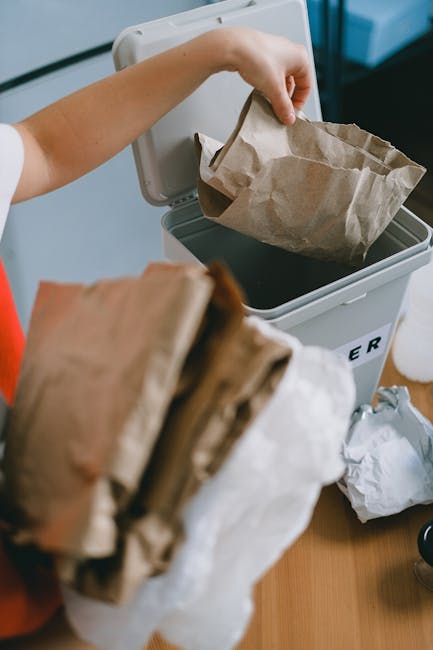
Walthamstow Village Rubbish Collection Guide for Homes
If you live in Walthamstow Village, rubbish collection can feel straightforward on paper and oddly awkward in real life. Narrow streets, busy parking, awkward bulky items, and that one old wardrobe that somehow weighs more than a sofa all change the game. This Walthamstow Village rubbish collection guide for homes breaks it all down in plain English, so you can clear waste safely, legally, and without turning your week into a small logistics exercise.
Whether you are clearing the loft, tidying the garden, replacing white goods, or dealing with renovation debris, the best approach depends on what you have, how much of it there is, and how quickly it needs to go. Let's face it, the wrong disposal method can cost you time, money, and a fair bit of stress. The good news? There are practical options for almost every household job.
Expert summary: For most homes in Walthamstow Village, the right rubbish collection method is the one that matches access, waste type, and volume. Small loads often suit a man and van or wait-and-load service, while larger clear-outs may need a skip or domestic skip hire.
Table of Contents
- Why Walthamstow Village rubbish collection guide for homes Matters
- How Walthamstow Village rubbish collection guide for homes Works
- Key Benefits and Practical Advantages
- Who This Is For and When It Makes Sense
- Step-by-Step Guidance
- Expert Tips for Better Results
- Common Mistakes to Avoid
- Tools, Resources and Recommendations
- Law, Compliance, Standards, or Best Practice
- Options, Methods, or Comparison Table
- Case Study or Real-World Example
- Practical Checklist
- Conclusion
- Frequently Asked Questions
Why Walthamstow Village rubbish collection guide for homes Matters
Walthamstow Village has a character all its own. That usually means older homes, mixed access, a lot of on-street parking pressure, and plenty of people doing home improvements in compact spaces. In that setting, rubbish collection is not just about "getting rid of stuff"; it is about doing it without blocking neighbours, breaking rules, or leaving waste sitting around for days.
For households, rubbish builds up in familiar ways: a kitchen refit, a garage clear-out, spring cleaning, a new mattress, or a garden project that got a bit bigger than expected. If you leave it too long, the mess spreads. If you rush it, you can easily overpay or choose the wrong service. That is why a local-minded guide matters. It helps you match the waste to the right method instead of guessing and hoping for the best.
There is also a practical trust point here. Reputable waste services should explain what they collect, how they sort it, and what happens after pickup. That is not fluff. It affects whether your waste is handled responsibly and whether your home remains tidy during the process. If you want to understand the bigger picture around responsible disposal, the page on recycling and sustainability is a useful companion.
In short, this guide matters because home rubbish collection is part household admin, part local planning, and part common sense. Nothing glamorous. Still important.
How Walthamstow Village rubbish collection guide for homes Works
Most home rubbish collection services in Walthamstow Village work in one of four ways: skip hire, wait-and-load, man and van removal, or a more specialist collection for specific items. The right choice depends on how much waste you have, where it is stored, and whether it needs sorting before removal.
Here is the basic flow most people follow:
- Identify the waste type. Mixed household waste, garden waste, furniture, appliances, and DIY debris may need different handling.
- Estimate the volume. A few bin bags is a very different job from a full room of furniture or renovation rubble.
- Check access. Narrow roads, restricted parking, and limited front-garden space can change the best option quickly.
- Choose the service. A rubbish removal service can suit smaller, mixed loads, while domestic skip hire is usually better for ongoing home projects.
- Prepare the waste. Separate recyclable items, remove anything hazardous, and keep access clear for the collection crew.
- Book a suitable time. If you need a quick turnaround, same-day options may be helpful, though availability can vary.
For larger loads where someone else is loading everything for you, man and van is often the easiest route. For heavier or awkward building waste, people often compare skip hire with wait and load skip hire, especially where space on the street is tight.
A small but important point: waste collection is smoother when you have already sorted out what can go where. It saves everyone from that awkward doorstep back-and-forth where someone says, "No, sorry, that one cannot go with the rest." Nobody enjoys that moment, honestly.
Key Benefits and Practical Advantages
The best rubbish collection setup for a home is not just about convenience. It can save time, reduce mess, and help you avoid disposal mistakes that create extra work later. For families and busy households, that alone is worth a lot.
- Less clutter at home: Waste leaves faster, which means fewer trip hazards and less stress while you work.
- Better use of space: In a village setting, driveway and kerb space matters. Choosing the right method prevents your front area becoming a holding pen for rubbish.
- Cleaner sorting: Recycling and reusable materials are easier to separate when you plan ahead.
- More predictable costs: The right service for the right load is usually more cost-efficient than improvising.
- Less physical strain: Heavy lifting is no joke. If you have old appliances, furniture, or mixed heavy bags, paying for removal can spare your back and your weekend.
There is also a less obvious advantage: confidence. Once you know how the collection works, you stop second-guessing every item. Can that broken garden chair go? What about the cracked mirror? Do you need special handling for a fridge? A good service should make those decisions much simpler.
If you are trying to compare collection methods and want a broader view of what goes where, the article on what can go in a skip is especially helpful. It clears up a lot of the confusion people have before booking.
Who This Is For and When It Makes Sense
This guide is for homeowners, tenants, landlords, and anyone managing household waste in or around Walthamstow Village. It is especially useful if you are facing one of these common situations:
- clearing out a loft, shed, garage, or spare room
- disposing of garden clippings, branches, and old pots
- removing furniture after a room refresh
- dealing with white goods or worn-out appliances
- sorting waste after a small renovation or DIY project
- emptying a property before letting, sale, or family changes
It also makes sense for people who simply do not want to spend half the day making repeated trips to the tip. To be fair, most of us have done the "five bin bags and a prayer" routine at least once. It is never quite as easy as it sounds, especially when parking is limited and the weather turns typical London-grey halfway through.
If your project is domestic but a little larger than normal, you may want to look at house clearance or garage and loft clearance. These services make more sense when the job is about fully clearing an area rather than simply lifting a few bulky pieces.
And if the load is very heavy or site-like, for example rubble mixed with soil from a garden rebuild, something more specialised such as grab hire services may be worth comparing too.
Step-by-Step Guidance
When people ask how to handle rubbish collection at home, they usually want a simple plan. Fair enough. Here is the cleanest way to approach it.
- Walk the space first. Look at what has to go and group items by type: general waste, furniture, garden waste, DIY debris, electronics, and anything questionable.
- Separate obvious problem items. Batteries, chemicals, paints, fridges, and some electricals should not be treated as ordinary rubbish.
- Measure the pile. You do not need perfection. Just estimate whether it is a few bags, a half-room, or a full clear-out.
- Check access for collection. Can a vehicle stop nearby? Is there space for loading? If not, a flexible option like wait-and-load or man and van may be simpler.
- Match the service to the load. For example, a mixed room clear-out may suit domestic skip hire, while one-off bulky items may fit mattress and sofa disposal.
- Ask about restricted items. If you have appliances, a fridge, or anything with refrigerant, check in advance with fridge and appliance removal before booking.
- Book and prepare. Put everything in one accessible spot, keep paths clear, and avoid mixing in prohibited waste.
A practical tip from real-world jobs: leave more room than you think you need. A tidy side path and clear gate access can make a collection 20 minutes smoother. Maybe more. It sounds tiny, but tiny details are where waste jobs either go smoothly or become a bit of a saga.
If your job involves a mix of removal and sorting, waste recycling services can be a sensible part of the plan, especially when you want to keep recyclable material away from general rubbish.
Expert Tips for Better Results
Here is where a little experience saves a lot of hassle.
- Book according to the access, not just the volume. In a tight street, a smaller vehicle or collection style can outperform a larger one that cannot stop properly.
- Do the sorting before collection day. The crew should not be the first people to discover that there is a broken monitor mixed in with the bags.
- Use one staging area. Piles scattered around the garden, porch, and hallway slow everything down.
- Keep wet waste separate. Garden clippings and damp cardboard can get unpleasant fast, especially in warmer weather.
- Think about security. If you are leaving waste on site before pickup, a lockable or enclosed option may suit you better.
For some homes, an enclosed and lockable skip hire option is worth the extra thought, especially if waste is likely to sit outside overnight. Likewise, if you need the load gone fast and space is limited, same day skip hire may be the right fit when availability allows.
One more thing: do not underestimate the usefulness of a proper quote. Transparent pricing is not glamorous, but it stops surprises later. A clear explanation of what is included can be more valuable than a lower number that grows arms and legs afterwards.
Common Mistakes to Avoid
A lot of avoidable issues come from the same handful of mistakes. Nothing dramatic, just the usual human stuff.
- Guessing the wrong collection method. People often choose a skip when access is too tight, or book a van service when the waste is far more than expected.
- Mixing hazardous items into general waste. This is a major one. It can create safety issues and delay the job.
- Overfilling containers. Whether it is a skip or a vehicle load, there are practical limits for safety and transport.
- Leaving it too late to book. Spring clean weekends and renovation bursts fill up quickly.
- Ignoring parking and access. In Walthamstow Village, that can be the whole ballgame.
Another common error is assuming all waste is treated the same. It is not. A sofa, a broken appliance, and a pile of garden soil do not belong to the same disposal approach by default. The more clearly you separate them beforehand, the smoother everything becomes.
If you are working through a bigger property tidy-up, services like garage and loft clearance or house clearance can reduce the risk of those little mistakes creeping in.
Tools, Resources and Recommendations
You do not need fancy kit to organise home rubbish collection, but a few basics make life easier:
- Sturdy bags and boxes: for small mixed waste, books, textiles, and soft items.
- Gloves and closed shoes: useful for sharp edges, nails, and broken fittings.
- A simple notepad or phone note: to list items that need specialist handling.
- Labels or tape: helpful if you are separating recycling from general rubbish.
- Measuring tape: not exciting, but useful when comparing skips or estimating bulky loads.
On the service side, these internal pages are worth using as decision aids:
- skip sizes and prices for choosing the right capacity
- skip hire permits if the skip must go on the road
- skip permits for extra permit guidance
- payment and security if you want reassurance before booking
- pricing and quotes to compare options clearly
For material-specific jobs, specialist pages can help you choose better rather than just faster. That includes garden waste removal, fridge and appliance removal, and confidential shredding for paper-heavy clear-outs where privacy matters.
Law, Compliance, Standards, or Best Practice
For household rubbish collection, the main principle is simple: waste must be handled safely, legally, and by an appropriate route. In everyday terms, that means you should not dump it, burn it, mix hazardous items into general loads, or assume every service can take every material.
It also means checking what kind of waste you have before collection day. Some items need special handling because of contamination, weight, or component parts. Fridges, solvents, paint tins, sharp materials, and some electrical items are the usual examples. If in doubt, ask before booking. A good provider should be able to tell you whether the job needs a specialist route such as hazardous waste disposal.
Best practice also includes keeping the collection area safe and accessible. That means clear walkways, sensible stacking, and not leaving sharp or unstable objects where someone might trip. It is a small thing until it is not.
For home projects with heavier debris or larger clearances, you may also want to compare builders waste removal, construction waste clearance, and construction waste disposal. They are more relevant than you might think if your "small DIY job" has quietly become a proper renovation.
Finally, it is sensible to check the provider's policies on health, safety, insurance, and complaints. Those pages help set expectations before anything is booked. You can review health and safety policy, insurance and safety, and complaints procedure if you want that extra peace of mind.
Options, Methods, or Comparison Table
Different household waste jobs need different collection methods. Here is a simple comparison to help you decide.
| Method | Best for | Main strengths | Things to watch |
|---|---|---|---|
| Domestic skip hire | Ongoing home projects, mixed bulky waste, renovations | Flexible, good for phased loading, useful for larger volumes | Needs space, may need a permit, must not be overfilled |
| Wait and load | Properties with tight access or no long-term storage space | Fast, avoids keeping a skip outside, useful on busy streets | Requires you to be ready when the vehicle arrives |
| Man and van | Bulky items, room clear-outs, smaller mixed loads | Very convenient, loading help included, suited to one-off jobs | May be less ideal for heavy renovation waste in larger amounts |
| Grab hire | Heavy waste, soil, rubble, garden build-up | Good for awkward heavy materials, efficient loading | Needs access and suitable collection space |
| Specialist item removal | Appliances, sofas, mattresses, confidential paper, hazardous items | Safer handling of specific waste streams | Must match the item to the right service |
If you are still undecided, think about what would be most annoying to leave behind. That is usually the item or pile that decides the method for you.
Case Study or Real-World Example
Here is a realistic example based on the kind of household job people in Walthamstow Village often face.
A family clearing a ground-floor flat after a kitchen refresh had a mix of old cabinets, packaging, broken crockery, a small appliance, and two bulky chairs. At first, they considered multiple car trips. Then they realised the street parking and tight timing would make that messy and tiring. Instead, they chose a combined approach: the bulky furniture went with sofa and bulky item disposal, while the mixed waste was handled through a removal service.
The difference was not dramatic in a cinematic way. It was simply calmer. Less lifting. Less waiting around. Fewer bags in the hallway. The kitchen could actually be used again without stepping over boxes and timber offcuts for three extra days.
That is the real point of a good rubbish collection plan. It gives you your space back sooner. And when you live in a busy London neighbourhood, that matters more than people admit.
Practical Checklist
Use this checklist before you book a home rubbish collection service:
- List everything that needs removing.
- Separate ordinary waste from specialist items.
- Check whether anything is hazardous, sharp, wet, or heavy.
- Estimate the total amount of waste as accurately as you can.
- Think about access, parking, and whether a vehicle can stop nearby.
- Choose between skip hire, wait and load, man and van, or specialist removal.
- Ask if you need a permit for roadside placement.
- Make sure paths, gates, and loading areas are clear.
- Confirm what is included in the price.
- Keep proof of booking and any special instructions to hand.
If you want a straightforward next step, browse book online once you know the rough size and type of waste. A quick booking can save a lot of back-and-forth later.
Get a free quote today and see how much you can save.
Conclusion
Getting home rubbish collection right in Walthamstow Village is mostly about making a sensible match between access, waste type, and volume. Do that well and the whole job feels easier: less mess, fewer delays, and less chance of paying for the wrong solution. Simple idea, but it pays off.
For some homes, a skip is the cleanest option. For others, a van-based pickup or wait-and-load service will be far more practical. There is no single perfect answer, which is exactly why a local guide helps. It lets you choose based on your actual situation, not just a general rule that sounds neat on paper.
And if your clear-out starts small but grows into something bigger, that is completely normal. Most do. The trick is just staying one step ahead of the pile. One bag at a time, if needed. You will get there.
Frequently Asked Questions
What is the best rubbish collection option for homes in Walthamstow Village?
The best option depends on how much waste you have and how easy your property is to access. For larger domestic clear-outs, domestic skip hire often works well. For smaller loads or tight access, a man and van or wait-and-load service may be easier.
Do I need a permit for a skip outside my home?
You may need a permit if the skip has to go on a public road rather than private property. It is best to check skip hire permits or skip permits before booking.
Can I put furniture in a home rubbish collection?
Yes, furniture is commonly collected, but the best method depends on size and condition. Sofas, mattresses, wardrobes, and chairs may be handled through specialist pages such as mattress and sofa disposal or through a broader rubbish removal service.
What should I do with a fridge or appliance?
Appliances should usually be handled separately, especially if they contain coolant or electrical components. Check fridge and appliance removal before assuming it can go with general waste.
Is wait and load good for Walthamstow Village streets?
Often, yes. If space is tight or you cannot keep a skip outside, wait and load skip hire can be a very practical fit. You load quickly while the vehicle waits, then everything goes at once.
What waste is considered hazardous in a home clear-out?
Examples can include chemicals, solvents, paint, batteries, and other materials that need careful handling. If you are unsure, use hazardous waste disposal rather than mixing these items with ordinary rubbish.
Can I use a skip for garden waste?
Yes, but garden waste is often easier and cleaner to manage through garden waste removal. That is especially useful for soil, clippings, branches, and mixed outdoor debris.
How do I know which skip size I need?
The safest way is to estimate the size of the waste pile and compare it with skip sizes and prices. If you are between sizes, it is usually wiser to ask for advice rather than guess.
Can I mix renovation waste with household rubbish?
Sometimes, but not always. Mixed loads are common, yet some construction-type materials need special handling. If your project is more than a basic clear-out, have a look at builders waste removal or construction waste clearance.
What is the quickest way to get rubbish removed from my home?
For simple and urgent jobs, same day skip hire may be useful if available. Otherwise, a man and van collection is often the fastest route for smaller loads.
How can I make rubbish collection cheaper?
Plan the load properly, separate recyclable or specialist items, and choose the service that actually fits the job. Comparing options through pricing and quotes can help you avoid paying for more capacity or labour than you need.
Where can I learn more about the company behind the service?
You can read more on the about us page and review practical policies such as terms and conditions, payment and security, and insurance and safety. That is often a good final confidence check before booking.