Your Essential Guide to Saving on Bulky Waste Items
Are you wondering how to get rid of unwanted bulky waste without breaking the bank? Bulky item disposal can be expensive and overwhelming. This comprehensive guide to saving on bulky waste items will walk you through affordable, eco-friendly, and smart methods to declutter, save money, and help the environment. Whether you're moving, renovating, or spring cleaning, discover strategies to handle your bulky waste items with efficiency.
What are Bulky Waste Items?
Bulky waste refers to items that are too large or heavy for regular household waste collection. Examples of bulky items include:
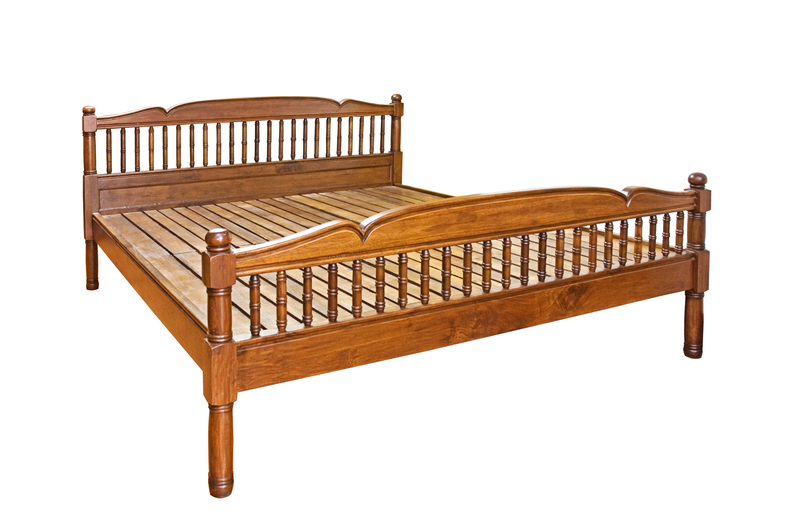
- Old furniture (sofas, wardrobes, dressers, beds)
- Household appliances (fridges, washing machines, ovens)
- Mattresses and box springs
- Carpets and rugs
- Large garden waste (branches, tree trunks)
- Home improvement debris (bathtubs, doors, windows)
Bulk waste disposal can be an expensive service in many locations, often hidden behind municipal policies and private hauling fees. However, with a proactive approach, you can save money, reduce environmental impact, and even earn from your unwanted bulky items.
Why is Bulky Waste Disposal So Expensive?
The cost of disposing bulky waste items is linked to several factors:
- Collection logistics - Requires special vehicles and additional labor.
- Disposal fees - Landfills charge by weight or volume, and bulky items cost more to process.
- Environmental regulations - Some items (like electronics or appliances with coolant) need special handling.
- Limited recycling options - Not all materials can or will be recycled easily.
Additionally, illegal dumping fines are hefty, and responsible disposal is required by law in most regions.
Top Money-Saving Tips for Bulky Waste Disposal
Don't let the thought of high costs stop you from clearing out your home. Use these money-saving tips for bulk item removal:
1. Check Your Local Council's Free or Discounted Collection Schemes
Many municipalities offer subsidized bulky waste collections, especially for large items like mattresses or sofas. Some offer annual or bi-annual free pickup days, or reduced rates for seniors and low-income households.
- Visit your local council's website for bulk waste guidelines.
- Book early - slots can fill quickly, especially in spring and fall.
- Sort items as required -- check if there are separate pickups for white goods, electronics, or household furniture.
Using these municipal services reduces your out-of-pocket costs and ensures responsible disposal.
2. Reuse, Resell, or Donate
One person's trash is another's treasure! Before disposing of bulky items:
- List gently-used items on online platforms like Facebook Marketplace, Craigslist, or Gumtree.
- Contact local charities, shelters, or schools (some accept furniture or appliances for reuse).
- Host a garage or yard sale -- this can be a fun way to declutter and earn.
- Post on local giveaway groups or Freecycle to help items avoid landfill.
Donating or reselling saves you disposal fees and benefits others in your community.
3. Dismantle Items to Reduce Size (and Cost)
Most landfill and collection charges are based on item size and weight. Dismantling furniture--removing legs from sofas, taking apart beds, or flattening boxes--may allow you to fit more into a vehicle or reduce pickup charges.
- Check if your city offers separate component recycling for wood, metal, or plastic parts.
- Bag or bundle small parts for easier handling.
Reducing items to their smallest components can save you space and money, especially with private haulers.
4. Use DIY Hauling to Local Facilities
If you have access to a pickup truck or a trailer, consider taking your bulky waste directly to a recycling or transfer facility. Many centers allow residents to bring limited quantities of bulk items for free, especially if you sort materials ahead of time.
- Check facility opening hours and accepted items before your trip.
- Separate electronics, metals, wood, mattresses, and hazardous materials where possible.
- Pooling with neighbors can split fuel and entry fees, making it more cost-effective.
This method maximizes savings and ensures responsible dumping.
5. Consider Private Haulers, But Shop Around
If you need the convenience of a private bulky waste removal service, always compare several providers.
- Request detailed quotes, specifying item type, quantity, and accessibility.
- Ask about discounts for multiple items or off-peak pickup times.
- Read online reviews for reliability and eco-friendly disposal practices.
Some companies will price-match competitors or offer reduced rates for curbside pickups. Don't forget to ask about eco-disposal practices if reducing waste is important to you.
6. Look Into Skip (Dumpster) Sharing
For major cleanouts or renovations, consider skip (dumpster) hire. This is often cost-effective if shared with neighbors or coordinated for group house moves.
- Organize with neighbors to fill a skip within a set timeframe — everyone saves!
- Choose the right size to avoid overages, but don't pay for unused capacity.
- Sort waste inside the skip to maximize recyclable materials.
Eco-Friendly Bulky Waste Disposal Tips
Sustainable practices can help you save while minimizing your environmental impact:
- Recycle whenever possible - many materials in furniture and appliances are recyclable. Check for local recycling points for wood, metal, foam, and glass.
- Refurbish or upcycle - consider DIY projects to breathe new life into old items, sell them as "fixer-uppers," or donate to makerspaces.
- Avoid illegal dumping - it's costly and environmentally damaging. Fines are steep, and it harms your community.
- Choose green haulers - some companies specialize in eco-friendly bulky item disposal and clearly state what percentage of items are recycled or repurposed.
Common Bulky Waste Items and the Best Ways to Save on Disposal
Let's look at common large household items and the cheapest or most effective disposal methods:
Furniture (Sofas, Tables & Chairs)
- Donation - Many thrift stores will pick up quality furniture for free.
- Online resale or giveaways - List on local Facebook groups, Nextdoor, or apps like OfferUp.
- Component recycling - Separate wood from metal for easier recycling if discarding.
Appliances (Fridges, Freezers, Ovens, Washing Machines)
- Retailer take-back schemes - Many stores/offers remove your old appliance when delivering a new one.
- Recycling center drop-off - Some accept these for free or discounted rates once coolant or batteries are removed.
- Online classifieds - Even non-working appliances may have value for scrap or parts.
Mattresses and Box Springs
- Mattress recycling programs - Some local councils offer discounted or free collection on certain days.
- Retailer exchange schemes - Mattress sellers sometimes offer free disposal with a new purchase.
- Donation - If clean and in good condition, some charities accept them (check local guidelines).
Garden Waste (Branches, Stumps, Old Fencing)
- Composting - Smaller wood and garden clippings can be chipped or composted on-site.
- Municipal yard waste bins - Some cities offer free or discounted yard waste disposal days.
- Sell or donate lumber - Woodworkers and gardeners often seek free materials.
Home Improvement Debris (Doors, Sinks, Construction Waste)
- Salvage companies - Some construction stores accept reusable materials.
- Skip hire or dumpster sharing - Pool resources with neighbors or nearby households.
- DIY drop-off - Take sorted materials to a transfer station; fees are lower for presorted items.
Frequently Asked Questions About Bulky Waste Savings
What is the cheapest way to get rid of bulky waste items?
Reuse, donate, or sell your items whenever possible. Take advantage of free collection days from your local council or bring sorted items to your recycling center for the lowest cost.
Can bulky waste be collected for free?
In many cities, free bulky waste collection is offered annually or for certain residents (such as seniors or disabled persons). Always check with your municipality's waste services.
Are private collection services worth the cost?
If convenience is crucial or if you're on a tight schedule, private haulers are worth considering. However, shop around and compare rates--and always ask about eco-friendly disposal.
How can I avoid hidden fees when disposing of large items?
- Dismantle bulky items to reduce size and weight.
- Declare all items honestly when booking collection.
- Ask for a breakdown of fees before confirming.
- Sort your items as per provider instructions.
What bulky items can I recycle?
Most furniture with metal or wood, appliances, and some mattresses can be recycled. Always check local guidelines for bulky waste recycling options.
Summary: Your Bulky Waste Savings Checklist
To save on disposing of bulky waste items, remember:
- Always check for council or municipal collection schemes before paying privately.
- Reuse, sell, or donate items whenever possible.
- Dismantle large items to save space and money.
- DIY hauling to recycling centers can dramatically cut costs.
- Pool resources with friends or neighbors for skip hire or landfill trips.
- Prioritize eco-friendly options for both savings and sustainability.
Conclusion: Save Smart on Bulky Waste
Handling bulky waste disposal doesn't have to be stressful or expensive. By leveraging local schemes, thinking creatively, and prioritizing reuse or recycling, you can cut costs and make your cleanout more sustainable. Refer back to this essential guide each time you need to clear large items, and enjoy a clutter-free space with more money in your pocket!
Found these tips useful? Share this guide with friends and neighbors to help everyone in your community save on bulky waste items!
```